The most common signs a child needs braces are crowded or crooked teeth. Other signs include an uneven bite, baby teeth that fall out too early or too late, difficulty chewing, a shifting jaw, and persistent thumb sucking. A children’s orthodontist can assess these early signs of orthodontic problems and explain whether early orthodontic treatment is a good idea. Several parents in Oakton, Virginia, inquire about braces for kids before they know what to look for.
In this article, we will discuss each sign, show when to book a visit, and explain what to expect in Fairfax County and Northern Virginia. We’ll also answer the most common questions parents ask. This will help you decide your next step with confidence.
Do Crowded or Crooked Teeth Mean a Child Needs Braces?
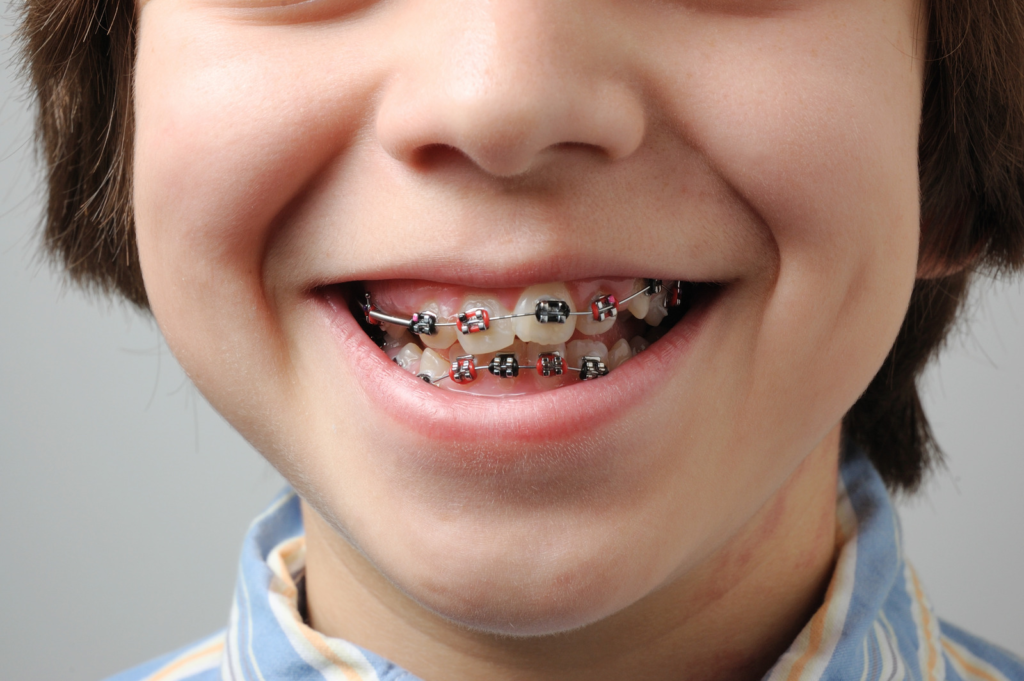
Crowded or crooked teeth are one of the most typical reasons a child needs braces. This is because the jaw may not have enough space for all the permanent teeth. Teeth crowding can involve overlapping, twisted, or tightly packed teeth. If you are a parent, you may notice crooked teeth in children when the first adult front teeth develop around ages 6 to 8.
Large gaps can also indicate missing or misaligned teeth in kids. These signs of crooked teeth rarely fix themselves. Your child’s tooth alignment becomes harder to control as more adult teeth erupt. If you’re looking for kids braces in Oakton, VA, your orthodontist will evaluate the space early and advise you on what to do and when to wait.
And if you are a parent, you can do a simple at-home check. Ask yourself: Do your child’s front teeth overlap, and does a lot of food get trapped between them? Does your child brush poorly around twisted teeth? If so, you can book an evaluation. Crowding makes cleaning more difficult, which increases the risk of gum disease and cavities.
What Bite Problems Should Parents Look For?
Look for an overbite, an underbite, or a crossbite. Each one signals poor bite alignment. These early bite problems can affect how the jaws grow and how the teeth wear down. In this table, we will discuss what each one looks like at home.
| Bite Type | What You May See | Why It Matters |
| Overbite | The upper front teeth are positioned far beyond the lower teeth. | It can strain the jaw and increase the risk of chipped front teeth |
| Underbite | The upper teeth are positioned behind the lower front teeth. | May point to jaw alignment problems |
| Crossbite | Several upper teeth fit inside the lower teeth. | It can make the jaw move to one side |
It’s easier to correct improper bite development while a child is still growing. For this reason, pediatric orthodontic care frequently starts before every adult tooth has arrived. Ask yourself: does your child’s lower jaw move forward when the teeth close, or do the upper teeth cover most of the lower ones? Either one is important for a professional look.
Why Does the Timing of Baby Tooth Loss Matter?
Timing plays an important role. Early or late loss of baby teeth can cause nearby teeth to shift and stop adult teeth from developing properly. Baby teeth that fall out too soon, frequently from decay or injury, allow neighboring teeth to move into the space. Conversely, baby teeth that remain too long can force adult teeth to develop behind or beside them. Some children miss their first tooth around age 6. So mention any major gap outside that pattern to your dentist.
Which Habits and Symptoms Point to Orthodontic Trouble?
Chewing difficulty, a shifting or cracking jaw, long thumb sucking, and mouth breathing can point to orthodontic issues. Look out for these tips at home:
- Having difficulty chewing food or difficulty biting or chewing harder foods
- Regular checkups or tongue biting
- Your jaw cracks, moves, or sticks out when you close your mouth
- Thumb, finger, or pacifier habits that continue after toddlerhood
- Mouth breathing in children, particularly during sleep
Each of these can signal jaw growth concerns, which include a narrow upper jaw. According to the American Academy of Pediatric Dentistry (AAPD), prolonged sucking habits may affect how the teeth and palate develop.
What Is the Best Age for an Orthodontist Visit?
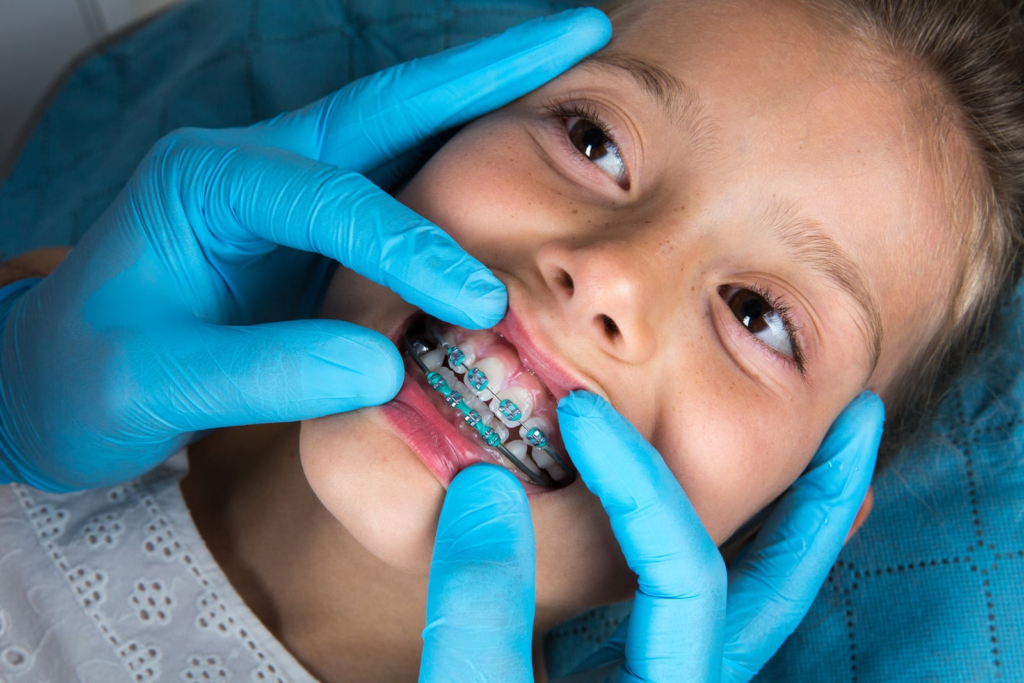
According to the American Association of Orthodontists (AAO), the best age for an orthodontist visit is around 7. By then, enough permanent teeth have erupted for a child orthodontic evaluation to determine how the teeth and jaws are growing. Braces aren’t always necessary, and many children are monitored as they grow. Parents searching for braces for children near me or an orthodontist for children in Oakton, Virginia, can schedule a first appointment at this stage.
What Happens at an Early Orthodontic Visit?
The orthodontist reviews your child’s teeth, bite, and jaw growth, then discusses whether to wait, start treatment now, or plan for braces later. You need to follow these common next steps, which include:
- You should watch your child’s growth with regular checkups
- A palatal expander to expand a narrow upper jaw
- Invisalign First or braces when the teeth are prepared
FAQs
What are the first signs a child needs braces?
Crowded or crooked teeth, bite issues, and early or late baby teeth loss are typically the first signs. You can also feel difficulty chewing and a moving jaw.
At what age should a child see an orthodontist?
According to the AAO, a first checkup is recommended by age 7. This can help identify bite problems before they worsen.
Does an early visit mean my child gets braces right away?
No, several children only require monitoring while their jaws grow.
Can thumb sucking affect teeth?
Yes, long-term thumb sucking, finger sucking, or pacifier use can change the shape of the palate and push your teeth out of place.
Is mouth breathing a sign of orthodontic problems?
It can be connected to a narrow upper jaw and changes in facial growth. Particularly when it occurs frequently during sleep.
Where can I find a children’s orthodontist in Oakton, VA?
Seek an orthodontist who provides a child orthodontic evaluation. At Oakton Family Orthodontics, we welcome families from Fairfax County and Northern Virginia.
Final Thoughts
The main symptoms include crowded teeth, bite issues, early or late baby tooth loss, chewing trouble, jaw changes, long habits, and mouth breathing. According to the AAO, a first checkup is recommended by age 7, and early guidance frequently makes later care simpler. At Oakton Family Orthodontics, we help families in Oakton, Virginia, identify these issues and plan the next step. Book an appointment now to schedule your child’s first visit.